
Sugar Hill Hoarding Cleanup Services
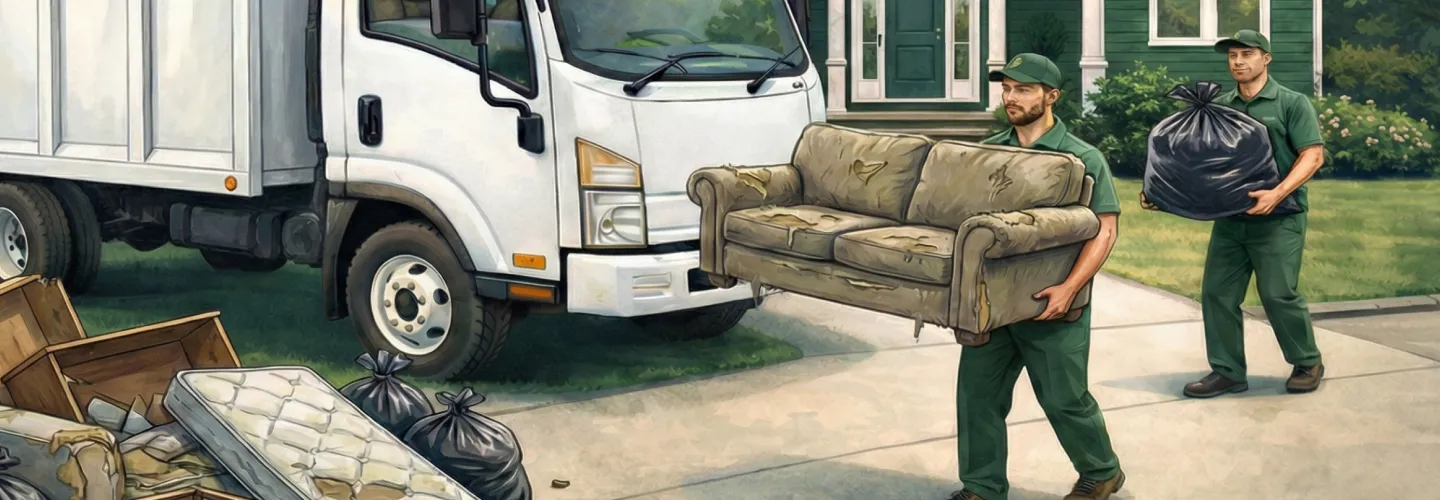
Choose us for hoarding cleanup because we combine professional expertise with empathy, ensuring a respectful, thorough, and judgment-free restoration of your home to a safe and comfortable environment.
Get a Free QuoteOur Sugar Hill Junk Removal Services
Hoarding Cleanup in Sugar Hill, GA – Local Service Guide
Hoarding cleanup in Sugar Hill, GA requires a sensitive, thorough approach tailored to local needs. In neighborhoods like Barrington Estates and Arbor Clos, residents often seek help after major life events, seasonal cleanouts, or property transitions. For residential items—such as furniture, mattresses, appliances, and even pianos—timing often aligns with spring cleaning, estate transitions, or after severe weather. Local options include donation, recycling, or responsible disposal, with logistics shaped by driveway access, weather, and item size. Residential spaces like garages, basements, and yards see increased activity after storms or during yard waste cycles, especially in areas with heavy tree coverage or flood risk. Commercial properties in Sugar Hill’s business corridors, including retail and medical offices, require discreet, timely service to minimize disruption. Specialty cleanups—such as for foreclosures, estates, or hoarding—demand careful planning, coordination with property managers, and compliance with local codes. For guidance on local waste management rules and resources, visit the Sugar Hill Public Works Department.
Key Considerations for Hoarding Cleanup in Sugar Hill
- Timing cleanouts with local waste schedules and weather
- Securing necessary permits for large-scale removals
- Choosing proper disposal or donation channels
- Ensuring property access for large items or dumpsters
- Managing volume and category-specific logistics
- Coordinating with city services and property managers
Benefits of Hoarding Cleanup in Sugar Hill
Compassionate and Discreet Service
Certified Cleanup Professionals
Fast and Reliable Response
Thorough Sanitization and Odor Removal
Customized Cleanup Plans
Safe Disposal of Hazardous Materials
Coordinating Hoarding Cleanup with Sugar Hill Code Enforcement and Public Health Standards
Hoarding situations in Sugar Hill often come to the attention of municipal authorities through property maintenance complaints or fire safety inspections. The Sugar Hill Code Enforcement division investigates violations related to accumulated materials, obstructed egress points, and exterior property conditions that may affect neighboring residences. Coordination with code enforcement is essential before, during, and after cleanup to ensure the property meets municipal standards for occupancy and safety.
- Property maintenance violations may include blocked doorways, pest infestations, and structural damage from excessive weight loads
- Fire code compliance requires clear egress paths of at least 36 inches in width throughout the residence
- Exterior accumulation of debris, furniture, or waste materials on porches, yards, or driveways may trigger separate zoning violations
- Re-inspection scheduling should be arranged through code enforcement to confirm the property meets compliance standards after cleanup
Gwinnett County Environmental Health also plays a role when biological hazards or unsanitary conditions are identified during hoarding assessments.
Sugar Hill Code Enforcement
5039 West Broad Street, Sugar Hill, GA 30518
Phone: (770) 945-6716
Official Website: Sugar Hill Code Enforcement
Biohazard and Hazardous Material Disposal Requirements for Sugar Hill Hoarding Cases
Hoarding environments frequently contain hazardous materials that require specialized handling under both Georgia and federal regulations. The Georgia Environmental Protection Division (GA EPD) oversees solid waste management standards that govern how contaminated materials from hoarding sites must be sorted, transported, and disposed of. Improper handling of biohazardous waste, expired chemicals, or contaminated items can result in regulatory violations and environmental contamination.
- Biohazardous materials such as animal waste, human waste, and blood-borne pathogen contamination must be handled by licensed biohazard remediation professionals and disposed of at permitted medical waste facilities
- Household hazardous waste including old paint, solvents, pesticides, and cleaning chemicals cannot be placed in regular solid waste streams; Gwinnett County hosts periodic Household Hazardous Waste Collection Events for proper disposal
- Expired medications should be taken to authorized drug take-back locations rather than discarded with general debris
- Lead paint debris in pre-1978 homes requires lead-safe work practices under the EPA Renovation, Repair, and Painting Rule
- Asbestos-containing materials found in older insulation, flooring, or ceiling tiles require testing and licensed abatement if friable material is present
Workers must use appropriate personal protective equipment including respirators, gloves, and protective suits when handling contaminated materials in hoarding environments.
Georgia Solid Waste Management Act Compliance for Hoarding Debris Disposal
All waste generated during hoarding cleanup in Sugar Hill must be managed in accordance with the Georgia Comprehensive Solid Waste Management Act (O.C.G.A. § 12-8-20) and local Gwinnett County disposal regulations. Georgia law requires that solid waste be transported only by authorized haulers and delivered to permitted disposal facilities. The volume of material removed during hoarding cleanups often exceeds standard residential waste limits, necessitating coordination with commercial waste haulers licensed to operate in Gwinnett County.
- Authorized disposal facilities in the Gwinnett County area include the Gwinnett County Solid Waste Transfer Station, which accepts residential and commercial waste
- Commercial hauler licensing is required for any company transporting waste for hire; verify that cleanup contractors hold valid Georgia solid waste handling permits
- Appliances containing refrigerants such as refrigerators, freezers, and air conditioning units must have refrigerants recovered by an EPA Section 608 certified technician before disposal
- Electronics including televisions, computers, and monitors should be directed to certified e-waste recyclers rather than landfill disposal
- Scrap metal separated during cleanup can be directed to licensed recycling facilities, supporting landfill diversion efforts
Georgia Environmental Protection Division
2 Martin Luther King Jr. Drive SE, Suite 1456, Atlanta, GA 30334
Phone: (404) 656-4713
Official Website: Georgia Environmental Protection Division
Sugar Hill Building Permits and Property Restoration After Hoarding Remediation
Severe hoarding situations may result in structural damage, compromised plumbing or electrical systems, and conditions requiring renovation or repair before the property can be safely reoccupied. The Sugar Hill Building Services department oversees permits for any structural repairs, electrical work, plumbing modifications, or demolition activities that may follow a hoarding cleanup. Residents and contractors should consult with building services early in the remediation process to determine which permits are required.
- Building permits are required for structural repairs including wall removal, floor replacement, and roof repairs resulting from water damage or pest infestation
- Electrical and plumbing permits are necessary when systems have been damaged by moisture, rodent activity, or excessive weight loads on structural components
- Demolition permits may be required if interior walls, cabinetry, or built-in fixtures must be removed due to irreparable contamination
- Final inspections must be scheduled through building services to verify that all repairs meet current building code standards before reoccupancy
Sugar Hill Building Services
5039 West Broad Street, Sugar Hill, GA 30518
Phone: (770) 945-6716
Official Website: Sugar Hill Building Services
The Sugar Hill Public Works Department should also be contacted regarding stormwater protection if cleanup activities involve exterior debris removal near drainage infrastructure or impervious surfaces.
Recycling, Donation, and Material Recovery During Sugar Hill Hoarding Cleanups
Hoarding cleanup projects generate substantial volumes of material, much of which can be diverted from landfills through recycling and donation programs. Responsible material sorting during the cleanup process reduces disposal costs and supports Gwinnett County's waste diversion goals. Cleanup teams should establish separate sorting areas for recyclable materials, donatable items, hazardous waste, and general debris before removal begins.
- Furniture and household goods in usable condition can be donated to organizations such as Habitat for Humanity ReStore or local charitable thrift stores that accept scheduled donation pickups
- Clothing and textiles should be separated and directed to textile recycling programs or donation centers rather than landfill disposal
- Scrap metal including appliance frames, shelving, and metal furniture can be taken to licensed scrap metal recyclers in the Gwinnett County area
- Paper, cardboard, and plastics should be sorted according to Gwinnett County recycling guidelines and placed in appropriate recycling streams
- Electronics must be recycled through certified e-waste processors; many retailers and county facilities accept old computers, televisions, and peripherals at no charge
Proper sorting at the point of removal significantly increases the percentage of materials diverted from landfill disposal and ensures compliance with Georgia solid waste regulations.
Sugar Hill Public Works Department
5039 West Broad Street, Sugar Hill, GA 30518
Phone: (770) 945-6716
Official Website: Sugar Hill Public Works Department
What Neighborhoods Do We Serve Throughout Sugar Hill, GA?
- Sugar Hill Town Center: Mixed-use area with residential and commercial properties near E Broad Street. Hoarding cleanup logistics may require coordination with nearby businesses regarding truck access and loading during business hours.
- Whitehead Farms: Single-family residential subdivision with wide streets and driveway access. Homes built in the early 2000s generally present fewer hazardous material concerns, though attic and garage accumulation is common in hoarding cases.
- The Oaks at Suwanee: Established neighborhood with mature tree canopy that may limit overhead clearance for larger removal vehicles. HOA notification may be required before exterior staging of debris during multi-day cleanup projects.
- Sugar Mill: Family-oriented subdivision with cul-de-sac layouts that may restrict truck turning radius. Properties with finished basements may present additional access challenges for heavy item removal during hoarding remediation.
- Apalachee Farms: Newer residential community with wider lot sizes and accessible driveways. Proximity to major roadways facilitates efficient debris transport to disposal and recycling facilities in the greater Gwinnett County area.
- West Broad Village: Properties near the downtown corridor with smaller lot sizes and closer neighbor proximity. Noise ordinance compliance and staging area limitations should be considered when scheduling extended hoarding cleanup operations.