
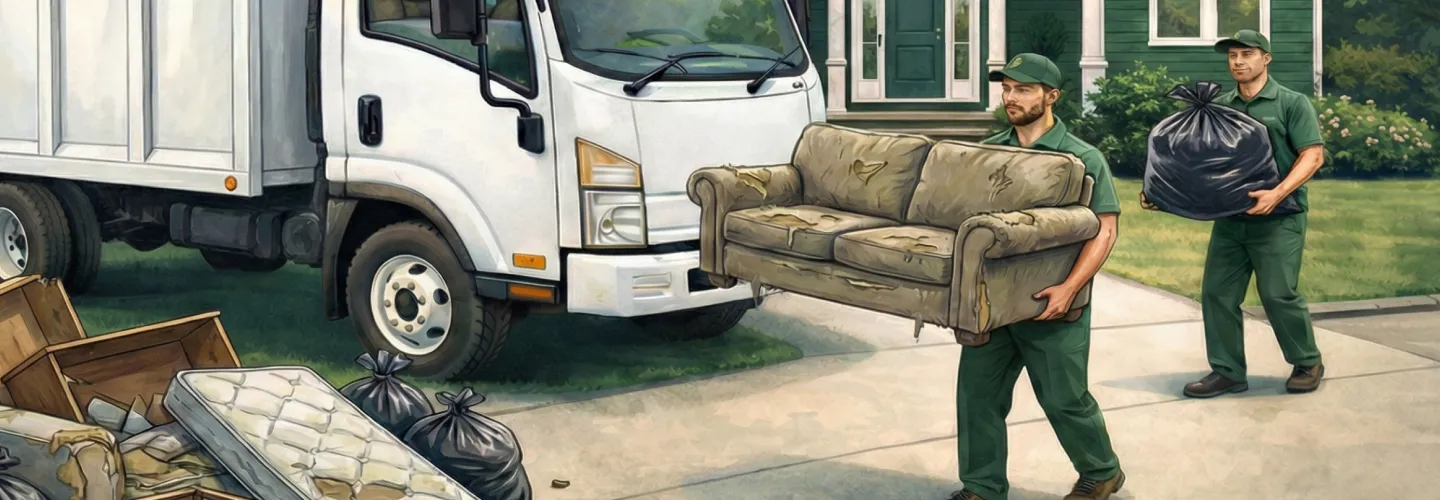
Sugar Hill Construction Waste Management Services
Choose our Construction Waste Management for reliable, eco-friendly solutions that keep your project sites clean, compliant, and on schedule—saving you time, money, and stress.
Get a Free QuoteOur Sugar Hill Junk Removal Services
Construction Waste Management in Sugar Hill, GA – Local Service Guide
Construction waste management in Sugar Hill, GA, requires a tailored approach for both residential and commercial needs. In neighborhoods like Barrington Estates and Arbor Clos, residents often face waste challenges during home renovations, seasonal cleanouts, or after major life events. Items such as old furniture, mattresses, appliances, and hot tubs are commonly replaced and must be handled responsibly—options include donation, recycling, or proper disposal, with logistics influenced by driveway access, weather, and item size. For residential spaces like garages, basements, and yards, spring and fall cleanouts are popular, especially after storms or during yard maintenance cycles. Areas with heavy tree coverage or flood risk, such as near Gary Pirkle Park, may require more frequent pickups and attention to local schedules.
Commercial properties in Sugar Hill’s downtown and shopping corridors have unique needs, from discreet office cleanouts to high-volume construction debris removal for property managers and contractors. Specialty services—like dumpsters for estate cleanouts or hoarding situations—demand careful planning and coordination, especially for large-scale projects or foreclosures. For guidance on local rules and resources, visit the Sugar Hill Public Works Department.
Key Considerations for Construction Waste Management in Sugar Hill
- Timing of removal (seasonal, post-storm, project-based)
- Required permits for large-scale disposal
- Approved disposal and recycling channels
- Site access and equipment needs
- Volume estimation and scheduling
- Coordination for specialty or high-volume categories
Benefits of Construction Waste Management in Sugar Hill
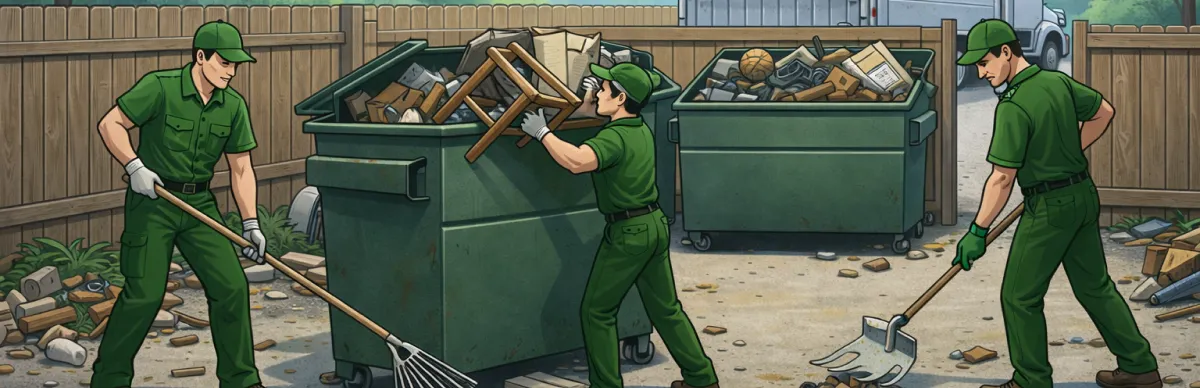
Efficient Debris Removal
Cost-Effective Waste Solutions
Environmentally Friendly Practices
Regulatory Compliance Assurance
Improved Site Safety
Flexible Scheduling Options
Coordinating Construction Debris Disposal with Sugar Hill's Public Works Department
Construction and demolition projects in Sugar Hill generate significant volumes of waste that require proper coordination with municipal services. The Sugar Hill Public Works Department oversees waste management infrastructure, stormwater protection, and roadway maintenance that directly affect how construction debris is collected and transported. Before beginning any renovation or demolition project, property owners and contractors should confirm disposal logistics with the city to ensure compliance with local ordinances.
- Concrete, brick, and masonry must be separated from general construction debris for proper recycling or disposal
- Wood waste including framing lumber, plywood, and trim should be sorted from mixed loads
- Metal scrap such as rebar, flashing, and ductwork is typically accepted at scrap recycling facilities
- Roofing materials including asphalt shingles may be subject to specific disposal requirements at permitted facilities
- Construction debris may not be placed in residential curbside collection containers or left on public rights-of-way without authorization
Contractors operating within Sugar Hill must coordinate hauling schedules to avoid conflicts with residential collection routes and comply with local noise ordinances restricting construction activity during early morning and late evening hours.
Sugar Hill Public Works Department
5039 West Broad Street, Sugar Hill, GA 30518
Phone: (770) 945-6716
Official Website: Sugar Hill Public Works Department
Building Permits and Code Enforcement for Sugar Hill Renovation and Demolition Debris
Any construction, renovation, or demolition project in Sugar Hill that generates waste typically requires a building permit issued through the city's Planning and Development Department. The Sugar Hill Building Services division reviews construction plans, conducts inspections, and enforces building codes that include provisions for on-site waste management during active projects.
- Demolition permits are required before structural removal begins; applications must include a waste disposal plan identifying the receiving facility
- Renovation projects involving load-bearing walls, electrical, or plumbing systems require permits that may include debris management conditions
- On-site debris accumulation must not obstruct sidewalks, drainage infrastructure, or neighboring properties
- Code enforcement officers may issue violations for unsecured construction waste, unauthorized dumping, or failure to maintain clean job sites
- Properties found in violation may face fines and mandatory corrective action through Sugar Hill Code Enforcement
Permit applicants should confirm whether their project scope triggers additional requirements for erosion control, tree protection, or stormwater management during the construction phase.
Sugar Hill Building Services
5039 West Broad Street, Sugar Hill, GA 30518
Phone: (770) 945-6716
Official Website: Sugar Hill Building Services
Georgia's Solid Waste Management Act and Construction Debris Compliance Requirements
Construction waste disposal in Sugar Hill is governed at the state level by the Georgia Comprehensive Solid Waste Management Act (O.C.G.A. § 12-8-20) administered by the Georgia Environmental Protection Division (GA EPD). This legislation establishes the regulatory framework for solid waste handling, transportation, and disposal throughout the state, including specific provisions for construction and demolition debris.
- Construction and demolition (C&D) debris is classified separately from municipal solid waste under Georgia regulations
- C&D materials must be disposed of at permitted C&D landfills or inert waste landfills, not in standard municipal solid waste landfills unless specifically authorized
- Hazardous materials such as lead paint, asbestos-containing materials, and chemical solvents are prohibited from C&D waste streams and must be handled through licensed hazardous waste contractors
- Georgia requires manifest documentation for hazardous waste transportation from construction sites
- The Georgia Environmental Protection Division maintains a list of permitted solid waste handling facilities by county
Contractors and property owners in Sugar Hill bear responsibility for ensuring all construction waste reaches appropriately permitted facilities, and improper disposal may result in state enforcement actions and penalties.
Georgia Environmental Protection Division
2 Martin Luther King Jr. Drive SE, Suite 1456, Atlanta, GA 30334
Phone: (404) 656-4713
Official Website: Georgia Environmental Protection Division
Stormwater Protection and Erosion Control During Sugar Hill Construction Projects
Construction sites in Sugar Hill must comply with stormwater management requirements to prevent sediment, debris, and pollutants from entering local waterways and drainage infrastructure. The Sugar Hill Stormwater Management program enforces erosion and sediment control measures that directly affect how construction waste is stored and managed on active job sites.
- Silt fencing and sediment barriers must be installed and maintained around construction debris staging areas to prevent runoff
- Loose construction materials including sawdust, drywall dust, and concrete washout must be contained and may not be allowed to enter storm drains
- Projects disturbing one acre or more require a Land Disturbance Permit and must file a Notice of Intent with the GA EPD under the National Pollutant Discharge Elimination System (NPDES) program
- Concrete washout areas must be designated and lined to prevent groundite contamination
- Construction waste storage areas must be covered or enclosed during rain events to prevent material from washing into stormwater systems
- Violations of stormwater regulations may result in stop-work orders and fines from both city and state authorities
Proper construction waste containment is not only an environmental obligation but a condition of maintaining active building permits in Sugar Hill.
Material Sorting and Recycling Requirements for Sugar Hill Construction Projects
Effective construction waste management requires systematic sorting of materials to maximize recycling, reduce landfill volumes, and comply with Georgia's waste handling regulations. While Georgia does not currently mandate a specific construction waste diversion percentage statewide, responsible material separation remains essential for regulatory compliance and environmental stewardship.
- Concrete and masonry can be crushed and recycled as aggregate for road base and fill material at permitted recycling facilities
- Scrap metal including steel studs, copper wiring, aluminum siding, and iron pipe has significant recycling value and should be separated on-site
- Clean wood waste free of paint, stain, or chemical treatment may be accepted at wood recycling or mulching facilities
- Asphalt shingles are recyclable at specialized facilities that process them into road paving material
- Drywall and gypsum board can be recycled at select facilities; contaminated or painted drywall may face restrictions
- Appliances with refrigerants removed during renovation require certified refrigerant recovery per EPA Section 608 regulations before disposal
Construction teams working in Sugar Hill should establish on-site sorting stations with clearly labeled containers for each material category. Pre-1978 structures undergoing renovation require assessment for lead-based paint and asbestos-containing materials under the EPA Renovation, Repair, and Painting Rule before debris removal begins.
What Neighborhoods Do We Serve Throughout Sugar Hill, GA?
- Sugar Hill Town Center: Mixed-use development with commercial and residential properties generates diverse construction waste from tenant buildouts and facade renovations. Coordinating debris removal around pedestrian traffic and public event schedules requires advance planning with city departments.
- The Bowl at Sugar Hill: This entertainment and greenspace district requires careful construction waste logistics to protect public infrastructure. Contractors must coordinate hauling routes to avoid conflicts with community events and maintain stormwater compliance near the amphitheater area.
- Whitehead Road Corridor: Established single-family neighborhoods along this corridor feature homes built across multiple decades, some potentially containing lead paint or asbestos materials requiring specialized handling during renovation projects.
- Peachtree Industrial Boulevard Area: Commercial and light industrial properties along this major corridor generate higher volumes of construction debris. Wide road access facilitates hauling logistics, but right-of-way coordination is essential during peak traffic hours.
- Level Creek and Suwanee Dam Road Communities: Newer residential subdivisions with HOA-governed properties may impose additional restrictions on construction debris staging, hauling schedules, and job site appearance during renovation projects.
- West Broad Street Neighborhoods: Proximity to Sugar Hill's municipal offices and public works facilities provides convenient access to city permitting and code enforcement resources for active construction projects in this area.