
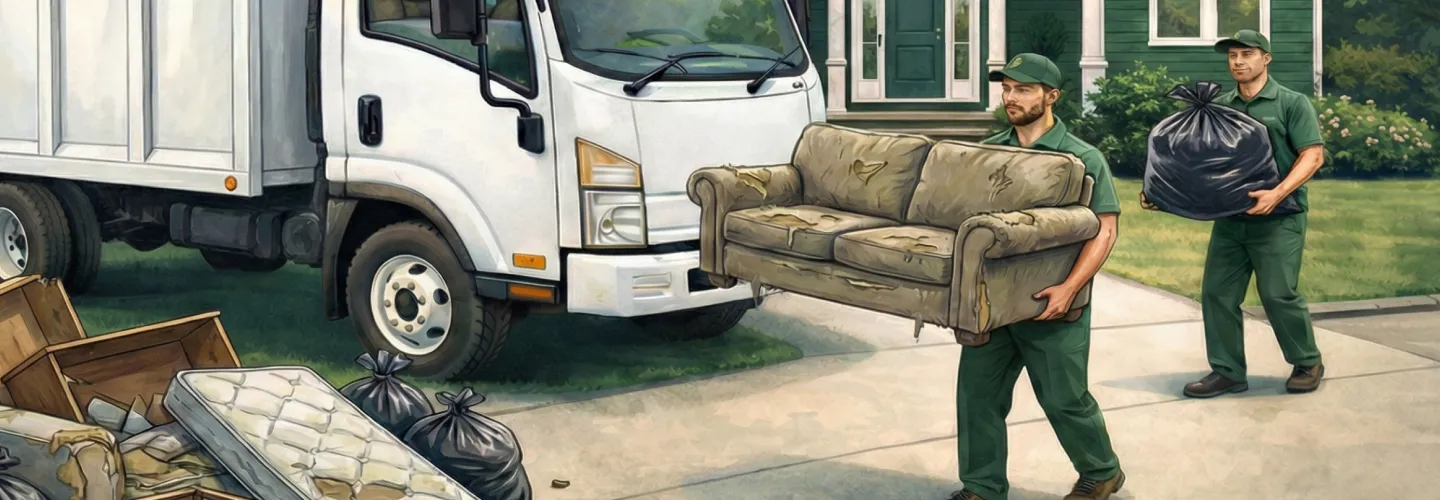
Sugar Hill Construction Debris Removal Services
Choose us for your construction debris removal and enjoy hassle-free, eco-friendly disposal with prompt service and transparent pricing—making your site safer and cleaner, every time.
Get a Free QuoteOur Sugar Hill Junk Removal Services
Construction Debris Removal in Sugar Hill, GA – Local Service Guide
Construction debris removal in Sugar Hill, GA, is essential for keeping homes and businesses safe, clean, and compliant with local regulations. In neighborhoods like Barrington Estates and Arbor Clos, residents often need debris removal after renovations, storm damage, or seasonal cleanouts. For residential items such as old furniture, appliances, or hot tubs, triggers include home upgrades, moving, or replacing worn-out items—especially during spring and fall. Local options include donation, recycling, or proper disposal, with logistics shaped by driveway access, weather, and item size. Residential spaces like garages and yards see increased debris after storms or during annual cleanouts, particularly in areas with heavy tree coverage or flood risk. Commercial properties in Sugar Hill’s business corridors and shopping centers require timely, discreet removal to minimize disruption, with higher volumes from construction, retail, or hospitality operations. Specialty services—like dumpsters for construction sites or estate cleanouts—demand careful planning, coordination, and adherence to city guidelines. For more on local rules and resources, visit the Sugar Hill Public Works Department.
Key Considerations for Construction Debris Removal in Sugar Hill
- Timing projects around local weather and seasonal events
- Securing necessary permits for large-scale removals
- Using approved disposal and recycling channels
- Ensuring easy access for removal vehicles in neighborhoods like Wild Timber
- Accurately estimating debris volume for efficient service
- Coordinating with city services for specialty or high-volume needs
Benefits of Construction Debris Removal in Sugar Hill
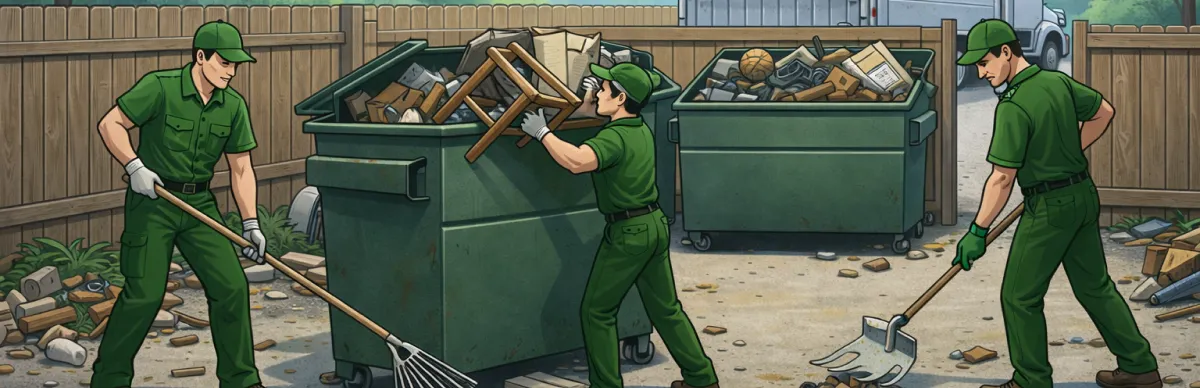
Fast and Reliable Cleanup
Safe Job Site Practices
Eco-Friendly Disposal Solutions
Cost-Effective Debris Removal
Experienced Local Professionals
Flexible Scheduling Options
Coordinating Construction Debris Disposal with Sugar Hill's Public Works Department
Construction and demolition (C&D) debris generated from renovation, remodeling, or demolition projects in Sugar Hill must be managed in accordance with municipal waste handling requirements. The Sugar Hill Public Works Department oversees infrastructure services including waste management coordination for residential and commercial properties. Property owners and contractors should be aware of the following disposal considerations:
- Accepted C&D materials typically include lumber, drywall, roofing shingles, concrete, brick, metal framing, and non-hazardous insulation
- Prohibited items in standard waste streams include asbestos-containing materials, lead-based paint debris, chemical solvents, and treated wood with hazardous preservatives
- Curbside collection does not generally cover construction debris; separate hauling arrangements are required
- Commercial haulers operating within Sugar Hill must comply with municipal licensing and operational standards
Residents undertaking home improvement projects should contact Public Works prior to beginning work to confirm current disposal protocols and any applicable scheduling requirements.
Sugar Hill Public Works Department
5039 West Broad Street, Sugar Hill, GA 30518
Phone: (770) 945-6716
Official Website: Sugar Hill Public Works Department
Building Permit Requirements for Renovation and Demolition Debris in Sugar Hill
Before generating construction debris through renovation or demolition activities, property owners in Sugar Hill must obtain appropriate building permits through the Sugar Hill Building Services division. Permit applications undergo plan review to ensure projects comply with local building codes and waste management expectations. Key permitting considerations include:
- Demolition permits are required before structural removal begins; applications must detail the scope of work and anticipated debris volumes
- Renovation permits for projects involving interior or exterior modifications ensure compliance with current building codes and material handling standards
- Inspection requirements may apply at various project stages, including verification that debris has been properly removed from the site
- Contractor licensing verification is part of the permitting process; unlicensed contractors may face code enforcement action
- Pre-1978 structures may require additional documentation addressing potential lead-based paint or asbestos-containing materials per the EPA Renovation, Repair, and Painting Rule
Permit applications should be submitted well in advance of project start dates to allow adequate processing time.
Sugar Hill Building Services
5039 West Broad Street, Sugar Hill, GA 30518
Phone: (770) 945-6716
Official Website: Sugar Hill Building Services
Georgia's Solid Waste Management Act and Construction Debris Compliance
Georgia regulates construction and demolition waste under the Georgia Comprehensive Solid Waste Management Act (O.C.G.A. § 12-8-20), administered by the Georgia Environmental Protection Division (GA EPD). This legislation establishes the framework for proper handling, transportation, and disposal of C&D materials statewide. Sugar Hill residents and contractors must adhere to the following state-level requirements:
- C&D landfills are classified separately from municipal solid waste landfills; construction debris must be directed to appropriately permitted facilities
- Inert waste landfills accept materials such as concrete, brick, and uncontaminated soil under specific permitting conditions
- Illegal dumping of construction debris carries penalties including fines and potential criminal charges under Georgia law
- Hauler requirements mandate that vehicles transporting C&D waste must be properly covered to prevent material from escaping during transit
- Manifest documentation may be required for certain waste types to track disposal from point of origin to final destination
Gwinnett County, where Sugar Hill is located, maintains transfer station facilities that accept construction debris from permitted haulers and residents.
Stormwater Protection and Environmental Compliance During Construction Debris Removal
Construction debris removal activities in Sugar Hill must comply with stormwater management regulations to prevent sediment, pollutants, and debris from entering local waterways and storm drainage systems. The Sugar Hill Stormwater Management program enforces erosion control and pollution prevention standards during construction and demolition activities. Environmental compliance measures include:
- Erosion and sediment control measures must remain in place throughout the debris removal process, including silt fencing and inlet protection
- Debris containment is required to prevent materials such as drywall dust, sawdust, and loose insulation from migrating off-site during wind or rain events
- Washout areas for concrete trucks and equipment must be designated and maintained away from storm drains and waterways
- Hazardous material spills involving fuels, oils, or chemical substances during debris removal must be reported immediately to Sugar Hill Public Safety and the Georgia Environmental Protection Division
- Site stabilization must be completed promptly after debris removal to prevent ongoing erosion
Violations of stormwater regulations may result in stop-work orders and fines issued through Sugar Hill Code Enforcement.
Sugar Hill Stormwater Management
5039 West Broad Street, Sugar Hill, GA 30518
Phone: (770) 945-6716
Official Website: Sugar Hill Stormwater Management
Material Sorting and Recycling Requirements for Sugar Hill Construction Projects
Proper sorting and separation of construction debris supports landfill diversion goals and ensures compliance with Georgia's solid waste regulations. While Georgia does not currently mandate construction waste recycling at the state level, responsible material management is encouraged by both the GA EPD and Gwinnett County waste management programs. Property owners and contractors in Sugar Hill should implement the following sorting practices:
- Metals including steel studs, copper wiring, aluminum flashing, and iron pipes should be separated for scrap metal recycling at licensed facilities
- Concrete, brick, and masonry can often be processed at inert waste facilities for crushing and reuse as aggregate base material
- Clean wood that is unpainted and untreated may be accepted at wood recycling or mulching operations
- Roofing shingles (asphalt) are recyclable at select facilities that process them into road paving material
- Drywall and gypsum board should be kept dry and separated, as some facilities accept clean drywall for recycling
- Hazardous materials such as lead paint chips, asbestos insulation, and chemical containers must never be mixed with standard C&D debris and require handling by licensed abatement professionals
Commingling hazardous and non-hazardous construction waste may result in the entire load being classified as hazardous, significantly increasing disposal costs and regulatory liability.
What Neighborhoods Do We Serve Throughout Sugar Hill, GA?
- Sugar Hill Town Center: Mixed-use development with commercial and residential properties generates diverse construction debris from tenant buildouts and renovations. Access coordination with property management and adherence to municipal noise ordinances during business hours are essential considerations.
- Whitehead Farms: Single-family residential community where home renovation projects produce typical C&D materials including drywall, flooring, and cabinetry. Wide residential streets and driveway access generally accommodate standard removal vehicles without difficulty.
- Sugar Mill: Established neighborhood with mature landscaping and homes that may predate current building codes. Renovation projects in older structures may require assessment for lead-based paint or outdated insulation materials before debris removal begins.
- Sycamore: Residential subdivision with newer construction where remodeling debris tends to include modern composite materials and engineered wood products. HOA guidelines may govern debris staging areas and removal scheduling on residential lots.
- Apalachee Farms: Family-oriented community with single-family homes where kitchen and bathroom remodels are common renovation projects. Contractors should confirm driveway load-bearing capacity before staging heavy debris such as tile, stone countertops, or cast iron fixtures.
- The Corners at Sugar Hill: Commercial corridor properties requiring coordination with business operations during debris removal from retail or office renovation projects. Loading dock access and off-peak scheduling help minimize disruption to adjacent businesses.