
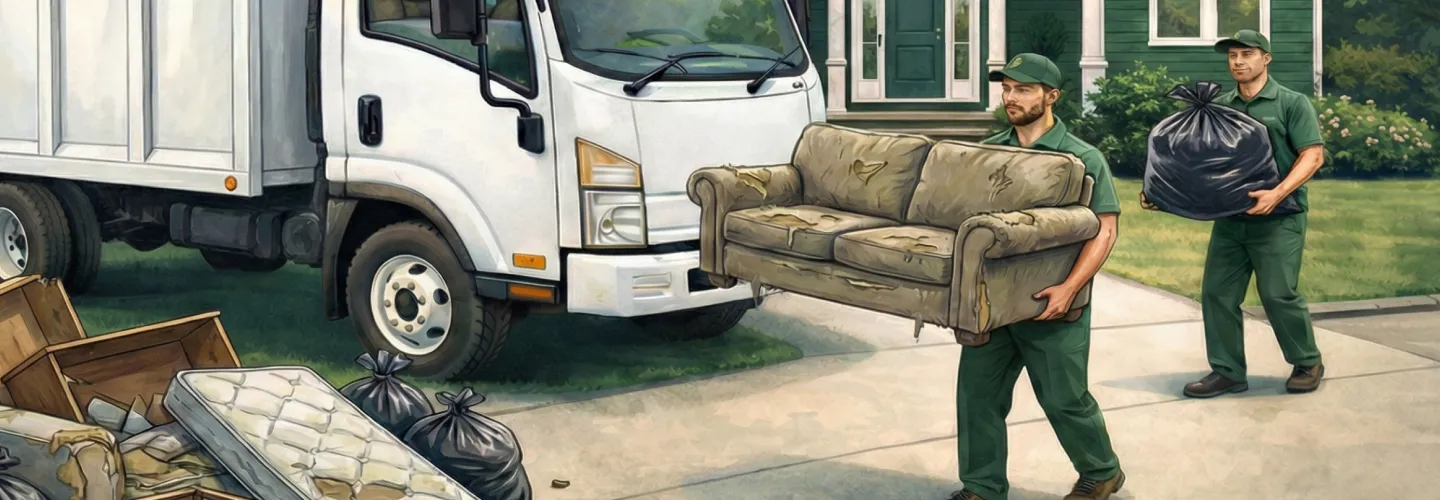
Sugar Hill Basement & Attic Cleaning Services
Choose our expert Basement & Attic Cleaning for a healthier, clutter-free home—our team removes dust, debris, and allergens, creating a safer and more comfortable living environment for your family.
Get a Free QuoteOur Sugar Hill Junk Removal Services
Basement & Attic Cleaning in Sugar Hill, GA – Local Service Guide
Basement and attic cleaning in Sugar Hill, GA is essential for maintaining a safe, organized home and preventing issues like mold, pests, and clutter buildup. In neighborhoods like Barrington Estates and Arbor Clos, residents often schedule cleanouts during spring or fall, especially after heavy rains or before major life events such as moving or renovations. For residential items—like old furniture, appliances, or electronics—timing often coincides with upgrades or seasonal replacements. Local disposal options include donation centers, recycling facilities, or city-approved waste pickup. Access can be challenging in older homes or during wet weather, so planning is key. For residential spaces, flooding-prone basements and attics with limited access require special attention, particularly after storms or during annual yard cycles. Commercial properties in Sugar Hill’s downtown or along Peachtree Industrial Blvd face unique needs, such as discreet, after-hours cleanouts and higher volumes. Specialty projects—like estate or foreclosure cleanouts—demand careful coordination and adherence to local property guidelines. For more on local waste management rules, visit the Sugar Hill Public Works Department.
Key Considerations for Basement & Attic Cleaning in Sugar Hill
- Schedule around seasonal weather and local flooding risks
- Check for required permits or city guidelines
- Use approved disposal and recycling channels
- Plan for limited access in older homes or tight spaces
- Estimate volume and coordinate with local haulers
- Address category-specific items (e.g., electronics, scrap metal, yard debris)
Benefits of Basement & Attic Cleaning in Sugar Hill
Improved Indoor Air Quality
Enhanced Home Safety
Increased Storage Space
Prevention of Mold and Pests
Boosted Property Value
Professional and Reliable Service
Coordinating Basement and Attic Cleanout Debris with Sugar Hill's Public Works Waste Programs
Basement and attic cleaning projects in Sugar Hill often generate substantial volumes of accumulated household items, old furniture, stored electronics, and miscellaneous debris. Residents must coordinate disposal through proper municipal channels to remain compliant with local waste management standards. The Sugar Hill Public Works Department oversees solid waste services, stormwater management, and infrastructure maintenance throughout the city. Before beginning a cleanout, residents should determine which materials require special handling versus standard curbside collection. Key considerations include:
- Bulk item scheduling — large furniture, shelving units, and oversized items removed from basements or attics may require advance scheduling for curbside pickup
- Volume limitations — standard residential collection may not accommodate the full volume generated by a basement or attic cleanout in a single pickup cycle
- Separated materials — electronics, paint cans, batteries, and chemical products found in storage areas must be diverted from regular trash
- Yard debris — items stored near crawlspaces or attic vents that have accumulated organic matter should be separated for composting or yard waste collection
Sugar Hill Public Works Department
5039 West Broad Street, Sugar Hill, GA 30518
Phone: (770) 945-6716
Official Website: Sugar Hill Public Works Department
Hazardous Materials and Prohibited Items Commonly Found During Sugar Hill Attic Cleanouts
Basements and attics frequently contain hazardous materials that have been stored for years or decades. Homes built before 1978 may have lead-based paint on stored items, trim, or structural surfaces disturbed during cleaning. Attic insulation in older Sugar Hill homes may contain vermiculite or asbestos-containing materials, which require professional assessment before disturbance. Under the EPA Renovation, Repair, and Painting Rule, lead-safe work practices are mandatory when disturbing painted surfaces in pre-1978 structures. Common hazardous items discovered during basement and attic cleanouts include:
- Old paint cans and solvents — classified as household hazardous waste; prohibited from landfill disposal under Georgia solid waste regulations
- Pesticides and herbicides — must be taken to a designated hazardous waste collection event; never placed in curbside trash
- Propane tanks and fuel containers — explosive risk; banned from standard waste streams
- CFL bulbs and fluorescent tubes — contain mercury and require recycling through approved facilities
- Car batteries and lithium-ion batteries — fire and contamination hazard; retail takeback programs available
The Georgia Environmental Protection Division administers the state's solid waste management program and enforces disposal restrictions on hazardous materials. Gwinnett County periodically hosts Household Hazardous Waste Collection events where Sugar Hill residents can drop off these items at no charge.
Sugar Hill Building Services and Permit Requirements for Structural Cleanout Projects
When basement or attic cleaning involves structural modifications — such as removing built-in shelving, demolishing partition walls, or addressing water-damaged framing — a building permit may be required. The Sugar Hill Building Services division reviews construction plans, issues permits, and conducts inspections for residential and commercial projects. Residents should verify permit requirements before beginning work that extends beyond simple debris removal. Important regulatory considerations include:
- Demolition debris — drywall, lumber, and concrete removed during structural work must be separated from household waste and disposed of at an approved construction and demolition facility
- Electrical and plumbing work — disconnecting old wiring, removing outdated fixtures, or capping plumbing lines in basements typically requires licensed contractor involvement and inspection
- Insulation removal — disturbing attic insulation may trigger asbestos testing requirements for homes built before 1980
- Load-bearing assessments — removing heavy stored items from attics may reveal structural concerns that require professional evaluation
Sugar Hill Building Services
5039 West Broad Street, Sugar Hill, GA 30518
Phone: (770) 945-6716
Official Website: Sugar Hill Building Services
Georgia's Solid Waste Regulations and Recycling Requirements for Cleanout Materials
Georgia's Solid Waste Management Act (O.C.G.A. § 12-8-20) establishes the regulatory framework governing disposal, recycling, and material recovery across the state. Basement and attic cleanouts generate diverse waste streams that must be handled according to both state law and local ordinances. Sugar Hill residents should be aware that certain materials recovered during cleanouts carry specific disposal obligations. Key state-level requirements affecting cleanout projects include:
- Electronics disposal — while Georgia does not impose a statewide landfill ban on e-waste, responsible recycling is strongly encouraged; old computers, televisions, and monitors found in attics should be taken to certified e-waste recyclers
- Appliance disposal — refrigerators, freezers, dehumidifiers, and air conditioning units containing refrigerants require recovery by an EPA Section 608-certified technician before disposal
- Tire disposal — tires discovered in basements or storage areas are prohibited from landfill disposal in Georgia and must be taken to licensed tire recyclers
- Scrap metal recovery — old water heaters, metal shelving, and ductwork removed from basements can often be recycled through scrap metal facilities, supporting landfill diversion goals
The Sugar Hill Code Enforcement division monitors property maintenance standards and may issue violations for improper storage or disposal of waste materials on residential properties.
Sugar Hill Code Enforcement
5039 West Broad Street, Sugar Hill, GA 30518
Phone: (770) 945-6716
Official Website: Sugar Hill Code Enforcement
Stormwater Protection and Debris Containment During Sugar Hill Basement Cleanouts
Basement cleanout projects can generate dust, sediment, and liquid waste that may enter Sugar Hill's stormwater drainage system if not properly contained. The Sugar Hill Stormwater Management program enforces water quality protection measures and erosion control standards throughout the city. Residents and contractors must take precautions to prevent pollutants from reaching storm drains during cleanout activities. Recommended containment practices include:
- Debris staging — place removed items on tarps or in designated areas away from storm drains, ditches, and drainage swales
- Liquid waste containment — old paint, cleaning chemicals, and water from flooded basements must never be poured into storm drains or gutters
- Dust suppression — sweeping or vacuuming debris rather than hosing it toward driveways reduces sediment runoff
- Mold remediation waste — water-damaged materials with mold growth should be bagged in heavy-duty plastic before transport to prevent spore dispersal
- Erosion prevention — if basement access requires excavation or grading near the foundation, silt fencing or erosion control measures may be required
Sugar Hill Stormwater Management
5039 West Broad Street, Sugar Hill, GA 30518
Phone: (770) 945-6716
Official Website: Sugar Hill Stormwater Management
What Neighborhoods Do We Serve Throughout Sugar Hill, GA?
- Sugar Hill Town Center: Mixed-use development with townhomes and condominiums near the E Center and downtown amenities. Multi-story units may present stairwell navigation challenges for large attic or basement items; coordination with property management for shared access areas is often necessary.
- Whitehead Farms: Established single-family neighborhood with homes dating to the early 2000s. Basements and attics in these properties commonly accumulate years of stored household goods; wide driveways and cul-de-sac layouts generally allow straightforward truck access for debris removal.
- Sugar Mill: Family-oriented subdivision featuring traditional two-story homes with accessible attic spaces. Mature tree canopy along residential streets may require attention when positioning removal vehicles; HOA guidelines should be reviewed before staging debris curbside.
- Sycamore Glen: Newer residential community with modern construction and open floor plans. Attic storage areas tend to be smaller but may contain construction remnants from original building; neighborhood covenants may restrict visible debris staging times.
- West Broad Village: Proximity to West Broad Street provides convenient access for hauling vehicles. Homes in this area vary in age and construction style, and older properties may require hazardous material assessments before attic insulation removal or basement renovation work.
- Nelson Falls: Subdivision with sloped lots and walkout basements common throughout the community. Grade changes can complicate heavy item removal from lower levels; proper equipment and multiple-person crews are typically required for safe extraction of bulky stored items.