
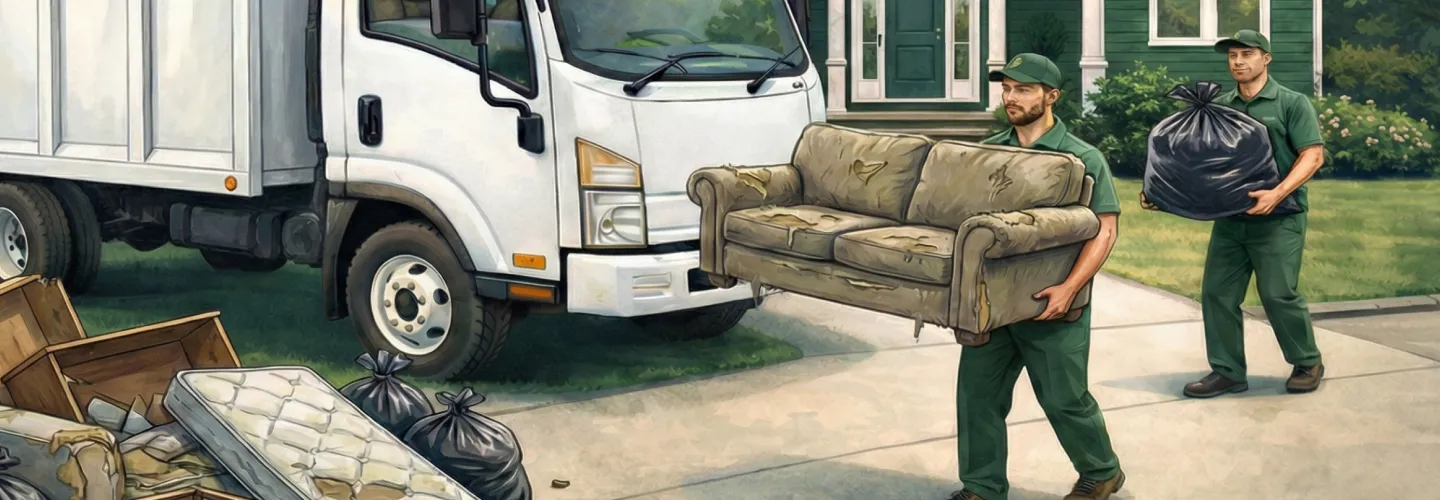
Sugar Hill Restaurants Junk Removal Services
Choose our Restaurants Junk Removal for prompt, discreet, and eco-friendly service that keeps your dining space clean, compliant, and welcoming for guests.
Get a Free QuoteOur Sugar Hill Junk Removal Services
Restaurants Junk Removal in Sugar Hill, GA – Local Service Guide
Restaurants in Sugar Hill, GA, face unique junk removal challenges, from frequent furniture and appliance upgrades to managing large volumes of packaging and food waste. In neighborhoods like The Broadlands and along Peachtree Industrial Boulevard, seasonal renovations and health code compliance often drive the need for timely junk hauling. Local disposal options include recycling old equipment or donating usable items, but strict city guidelines require careful planning. For restaurant owners, coordinating pickups around business hours and ensuring minimal disruption is crucial. Weather and access—especially during busy weekends or in historic downtown areas—can impact logistics, so working with a local expert ensures compliance and efficiency. For more on local waste management rules, visit the Sugar Hill Public Works Department.
Key Considerations for Restaurants Junk Removal in Sugar Hill
- Timing pickups to avoid peak dining hours and minimize business disruption
- Securing necessary permits for large-scale disposals or dumpsters
- Using approved disposal and recycling channels for commercial waste
- Ensuring easy access for removal trucks in busy or historic areas
- Accurately estimating junk volume for efficient scheduling
- Coordinating with city services for compliance and safety
Benefits of Restaurants Junk Removal in Sugar Hill
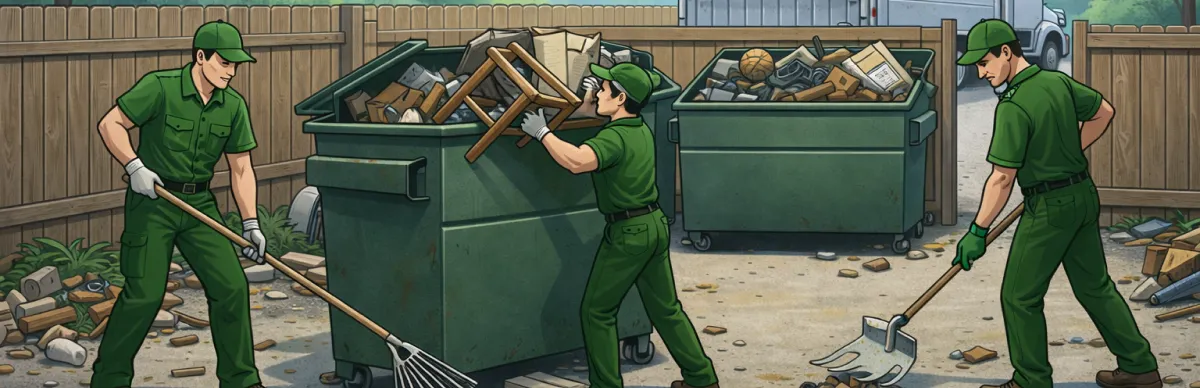
Fast and Reliable Service
Eco-Friendly Disposal Solutions
Flexible Scheduling Options
Experienced Junk Removal Team
Compliance With Local Regulations
Cost-Effective Junk Removal
Coordinating Restaurant Equipment Disposal with Sugar Hill's Public Works Department
Restaurant closures, renovations, and kitchen upgrades generate substantial volumes of specialized waste requiring proper municipal coordination. Sugar Hill's Public Works Department oversees waste management services and can provide guidance on commercial disposal requirements for restaurant-specific materials such as commercial ovens, refrigeration units, grease traps, exhaust hoods, and stainless steel prep tables. Restaurant operators should be aware of the following disposal considerations:
- Commercial refrigeration units must have refrigerants recovered by an EPA-certified technician before disposal, as mandated by EPA Section 608 regulations
- Grease trap waste is classified as a regulated material and must be handled by a licensed hauler; it cannot be placed in standard solid waste streams
- Bulk metal equipment such as walk-in cooler panels, shelving, and stainless steel tables may qualify for scrap metal recycling and diversion from landfills
- Electronic point-of-sale systems, monitors, and kitchen display screens require proper e-waste handling
Restaurant owners planning large-scale cleanouts should contact the city in advance to confirm commercial waste hauler requirements and scheduling protocols.
Sugar Hill Public Works Department
5039 West Broad Street, Sugar Hill, GA 30518
Phone: (770) 945-6716
Official Website: Sugar Hill Public Works Department
Georgia Environmental Protection Division Requirements for Restaurant Waste Streams
Restaurant junk removal in Sugar Hill must comply with Georgia's solid waste management regulations administered by the Georgia Environmental Protection Division (GA EPD). The Georgia Comprehensive Solid Waste Management Act (O.C.G.A. § 12-8-20 et seq.) establishes the framework for proper waste handling, transportation, and disposal across the state. Restaurant-specific waste streams present unique regulatory challenges:
- Used cooking oil and grease must be collected by a licensed rendering or recycling service; improper disposal into storm drains or solid waste containers violates state water quality standards
- Fluorescent lighting commonly found in commercial kitchens contains mercury and is classified as universal waste under Georgia's hazardous waste rules
- Cleaning chemicals, sanitizers, and solvents remaining from restaurant operations must be disposed of through authorized hazardous waste channels
- Food-contaminated materials such as grease-saturated floor mats and exhaust filters require separation from recyclable metals and general debris
Violations of Georgia's solid waste regulations can result in civil penalties. Restaurant owners and junk removal operators should verify that all haulers maintain valid solid waste handling permits issued by GA EPD.
Georgia Environmental Protection Division
2 Martin Luther King Jr. Drive SE, Suite 1456, Atlanta, GA 30334
Phone: (404) 656-4713
Official Website: Georgia Environmental Protection Division
Sugar Hill Code Enforcement Standards for Commercial Property Cleanouts
Restaurant junk removal projects in Sugar Hill must adhere to municipal code enforcement standards governing property maintenance, debris storage, and commercial waste handling. The Sugar Hill Code Enforcement division monitors compliance with local ordinances that directly affect how restaurant cleanout materials are staged, stored, and removed from commercial properties. Key compliance considerations include:
- Debris staging areas must not obstruct public sidewalks, fire lanes, or adjacent business access points during removal operations
- Temporary storage of removed equipment on commercial property should not exceed timeframes established by local property maintenance codes
- Noise ordinances may restrict heavy equipment operation and loading activities during early morning or late evening hours in mixed-use commercial zones
- Stormwater protection is required during cleanouts; grease, oil, and debris must not enter storm drains or drainage infrastructure per Sugar Hill Stormwater Management requirements
Restaurant operators planning renovation-related junk removal should coordinate with Sugar Hill's Building Services division to determine whether demolition permits are required for interior buildout modifications, particularly when removing fixed kitchen infrastructure such as walk-in coolers, exhaust systems, or built-in equipment.
Sugar Hill Code Enforcement
5039 West Broad Street, Sugar Hill, GA 30518
Phone: (770) 945-6716
Official Website: Sugar Hill Code Enforcement
Recycling and Material Recovery Options for Sugar Hill Restaurant Equipment
Diverting restaurant equipment and materials from landfills supports both environmental goals and regulatory compliance. Many items removed during restaurant cleanouts contain recoverable materials with significant recycling value. Sugar Hill restaurant operators and junk removal providers should prioritize the following material recovery strategies:
- Stainless steel and aluminum from prep tables, sinks, shelving, and exhaust hoods are highly recyclable through scrap metal facilities in the greater Gwinnett County area
- Refrigerant recovery from commercial coolers, freezers, and ice machines is federally mandated before units can be scrapped or disposed of
- Electronic equipment including POS terminals, security cameras, and kitchen display units should be directed to certified e-waste recyclers rather than placed in general waste
- Reusable restaurant furniture such as tables, chairs, and booths in serviceable condition may be donated to nonprofit organizations or restaurant supply resale outlets
- Cardboard, wood pallets, and packaging materials generated during equipment removal should be separated for recycling
Gwinnett County operates recycling drop-off centers that accept certain commercial materials. Restaurant operators should verify accepted material types and any volume limitations before transporting items.
Sugar Hill Building Services
5039 West Broad Street, Sugar Hill, GA 30518
Phone: (770) 945-6716
Official Website: Sugar Hill Building Services
Safe Handling Protocols for Hazardous Materials in Sugar Hill Restaurant Removals
Restaurant environments frequently contain hazardous materials that require specialized handling during junk removal operations. Federal and state regulations impose strict requirements on the identification, separation, and disposal of these materials. Junk removal crews working in Sugar Hill restaurants should be aware of the following hazards:
- Asbestos-containing materials may be present in older restaurant buildings constructed before 1980, particularly in floor tiles, pipe insulation, and ceiling materials; a licensed asbestos inspector should assess the site before demolition or removal work begins
- Lead-based paint in pre-1978 structures requires compliance with the EPA Renovation, Repair, and Painting Rule, including certified renovator oversight
- Propane tanks and compressed gas cylinders used in commercial cooking cannot be placed in standard waste containers and must be returned to suppliers or taken to authorized collection points
- Mercury-containing thermostats and fluorescent tubes require universal waste handling procedures under EPA RCRA regulations
- Fire suppression system chemicals from commercial kitchen hood systems must be properly decommissioned by licensed technicians before equipment removal
Sugar Hill Fire and Emergency Services can provide guidance on safe handling of pressurized containers and fire suppression materials encountered during restaurant cleanouts.
Sugar Hill Fire & Emergency Services
5039 West Broad Street, Sugar Hill, GA 30518
Phone: (770) 945-6716
Official Website: Sugar Hill Fire & Emergency Services
What Neighborhoods Do We Serve Throughout Sugar Hill, GA?
- Downtown Sugar Hill / Town Center: This mixed-use commercial core along West Broad Street features restaurants in multi-tenant retail buildings. Loading access may be limited during peak business hours, and coordination with adjacent businesses is essential to avoid obstructing shared parking areas during equipment removal.
- Sugar Hill Greenway Area: Restaurants near the greenway corridor and E Center development operate in newer commercial spaces with modern loading dock access. Stormwater protection measures are particularly important given proximity to protected green infrastructure and drainage systems.
- Peachtree Industrial Boulevard Corridor: This high-traffic commercial corridor contains numerous restaurant establishments in strip centers and standalone buildings. Truck staging and equipment loading require careful timing to avoid peak traffic congestion, and right-of-way considerations apply along this state route.
- Whitehead Road Commercial District: Restaurants in this area occupy a mix of older and newer commercial structures. Older buildings may require hazardous material assessments before interior demolition, and access roads may have weight or width limitations.
- Level Creek Road Area: This growing residential and commercial zone includes restaurant properties in neighborhood shopping centers. Removal crews should coordinate with property management regarding shared access drives, parking lot restrictions, and tenant notification requirements.
- Suwanee Dam Road Vicinity: Commercial properties along this corridor near the Sugar Hill city limits serve a mix of dining establishments. Proximity to Gwinnett County jurisdictional boundaries may require verification of applicable waste hauling permits and disposal regulations across municipal lines.