
Sugar Hill Hospitality Junk Removal Services
Choose our Hospitality Junk Removal for seamless, on-time service that keeps your property spotless and guest-ready—so you can focus on delivering exceptional hospitality while we handle the clutter.
Get a Free QuoteOur Sugar Hill Junk Removal Services
Hospitality Junk Removal in Sugar Hill, GA – Local Service Guide
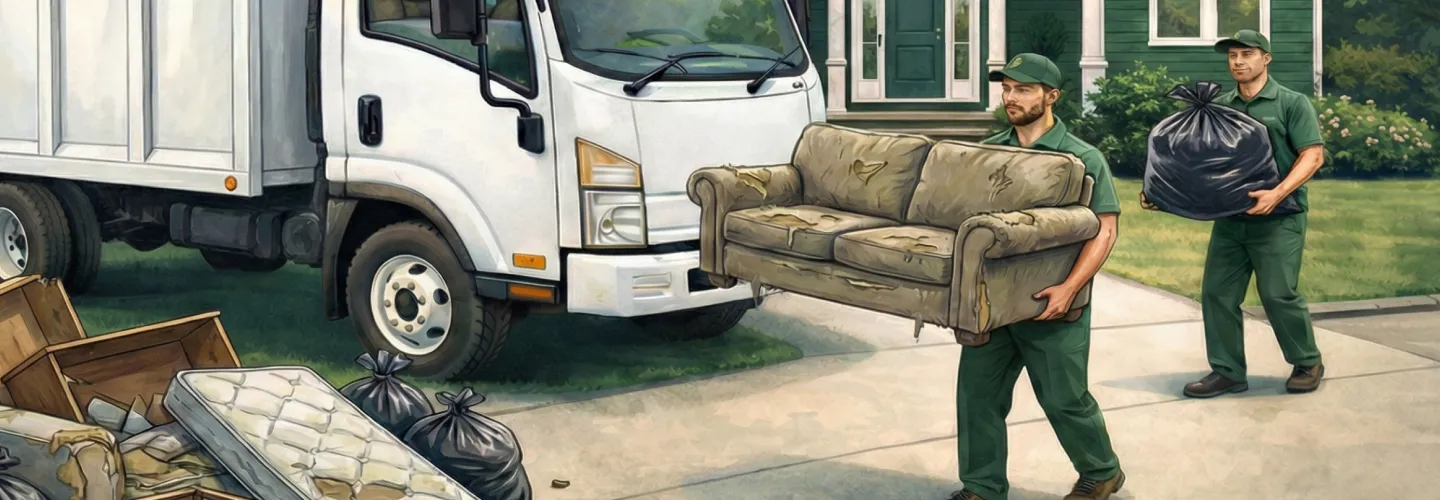
Hospitality junk removal in Sugar Hill, GA, requires a tailored approach to meet the needs of both residents and businesses. In neighborhoods like Barrington Estates and Arbor Clos, residents often schedule removal of furniture, mattresses, or appliances during spring cleanouts, after home renovations, or when replacing large items. Local options include donation, recycling, or responsible disposal, with logistics shaped by driveway access, weather, and item size. For residential spaces such as garages, basements, or yards, seasonal drivers like storm debris or fall leaf cycles prompt cleanouts, especially in areas prone to flooding or with heavy tree coverage. Commercial clients in Sugar Hill’s downtown and along Peachtree Industrial Boulevard rely on discreet, timely removal for offices, restaurants, and hospitality venues, often requiring after-hours service and handling higher volumes. Specialty services—like dumpster rentals or estate cleanouts—are essential for foreclosures, hoarding, or construction debris, demanding careful planning and coordination, particularly for properties with limited access or unique layouts.
Key Considerations for Hospitality Junk Removal in Sugar Hill
- Timing around local events, seasons, and business hours
- Permits and compliance with Sugar Hill Public Works Department
- Proper disposal channels: donate, recycle, or landfill
- Access challenges in gated communities or tight commercial lots
- Volume and category-specific handling (e.g., appliances, hazardous items)
- Coordination with property managers or city schedules
Benefits of Hospitality Junk Removal in Sugar Hill
Fast Turnaround Times
Eco-Friendly Disposal
Licensed and Insured Team
Flexible Scheduling Options
Discreet and Professional Service
Comprehensive Cleanout Solutions
Coordinating Hospitality Junk Removal with Sugar Hill’s Public Works and Bulk Collection Programs
Hospitality junk removal in Sugar Hill, GA, requires close coordination with the city’s Department of Public Works, which oversees municipal waste management and bulk trash collection. Residents and businesses must adhere to the city’s bulk item pickup schedule, typically offered monthly, with advance scheduling required at least 48 hours prior to collection. Items must be placed curbside by 6:00 AM on the scheduled day, and there are restrictions on the volume and types of materials accepted. Prohibited items include hazardous waste, electronics, and construction debris. For larger loads or items not accepted curbside, the city transfer station is available for self-haul disposal, with fees assessed by weight or volume. Required documentation includes proof of residency, such as a utility bill or ID. Failure to comply with collection guidelines may result in code violations or fines.
- Monthly bulk pickup: advance scheduling required
- Curbside placement by 6:00 AM
- Volume limits and prohibited items enforced
- Transfer station access with resident ID
- Fees assessed for excess or non-standard items
Sugar Hill Public Works Department
5039 West Broad Street, Sugar Hill, GA 30518
Phone: (770) 271-2137
Official Website: Sugar Hill Public Works Department
Understanding Sugar Hill’s Code Enforcement and Legal Requirements for Junk Removal
Proper hospitality junk removal in Sugar Hill is governed by municipal code enforcement, which ensures compliance with property maintenance standards and zoning regulations. Removal activities must not obstruct public rights-of-way, and right-of-way permits may be required for large-scale removals involving trucks or equipment. For properties undergoing renovation or demolition, building permits must be secured through the city’s Building Services. Historic districts and neighborhoods with homeowners’ associations (HOAs) may impose additional restrictions on removal activities, including advance notification and approval. Code enforcement officers may issue citations for improper disposal, illegal dumping, or failure to follow city ordinances. Residents and businesses should consult the city’s Planning & Development Department for guidance on permit applications and compliance procedures.
- Right-of-way permits for truck access
- Building permits for renovation debris
- HOA and historic district approvals
- Code enforcement inspections and citations
- Zoning compliance for commercial properties
Sugar Hill Code Enforcement
5039 West Broad Street, Sugar Hill, GA 30518
Phone: (770) 945-6716
Official Website: Sugar Hill Code Enforcement
Environmental Compliance and Material Handling Standards in Sugar Hill Hospitality Junk Removal
Environmental stewardship is central to hospitality junk removal in Sugar Hill, with strict adherence to state and local regulations on waste handling and disposal. The Georgia Environmental Protection Division (GA EPD) enforces the state’s solid waste management laws, which prohibit landfill disposal of hazardous materials, certain electronics, and appliances containing refrigerants. All junk removal activities must ensure proper sorting and separation of recyclable materials, and hazardous waste must be transported to authorized facilities. The city’s stormwater management program also requires that no waste or debris enter storm drains, as this can result in pollution and fines. Professional handling of materials—especially those containing lead paint or asbestos in older buildings—is required under federal and state law.
- Prohibited landfill items: hazardous waste, electronics, refrigerant appliances
- Mandatory recycling and material separation
- Stormwater pollution prevention
- Lead and asbestos handling per EPA and state rules
- Use of licensed hazardous waste contractors
Georgia Environmental Protection Division – Solid Waste
Recycling and Donation Options for Hospitality Junk Removal in Sugar Hill
Sugar Hill encourages responsible disposal through recycling and donation programs for hospitality-related junk. The city’s Public Works Department provides information on local recycling drop-off centers for materials such as cardboard, metals, and electronics. Furniture and usable items may be donated to local charities or reuse organizations, reducing landfill waste and supporting community needs. Appliances must have refrigerants properly recovered by certified technicians before disposal, in accordance with EPA Section 608 regulations. Residents should consult the city’s recycling guidelines to determine accepted materials and drop-off hours. Improper disposal of recyclable or hazardous items may result in contamination fees or code violations.
- Electronics recycling at designated centers
- Furniture donation to local charities
- Appliance refrigerant recovery required
- Accepted materials: cardboard, metals, select plastics
- Contamination fees for improper disposal
City of Sugar Hill Recycling Information
What Neighborhoods Do We Serve Throughout Sugar Hill, GA?
- Sugar Hill Historic District: Features older homes with narrow driveways and limited curbside access, requiring careful planning for large item removal and adherence to historic preservation guidelines.
- Laurel Park: Predominantly single-family residences with ample driveway space, but HOA rules may require advance notification and restrict bulk item placement times.
- Barrington Estates: Gated community with private roads and strict access controls; coordination with property management is essential for scheduling and compliance.
- Magnolia Village: Mix of townhomes and multi-family units, often with shared parking and limited loading zones, necessitating precise timing and communication with residents.
- Sugar Hill Station: Commercial and retail district with high turnover of fixtures and equipment; removal activities must comply with business hours and zoning regulations.
- Lenox Park: Newer development with wide streets and modern infrastructure, allowing for easier truck access but still subject to city bulk collection schedules.
- Parkview North: Senior living community with accessibility considerations and frequent estate cleanouts, requiring sensitivity to resident needs and adherence to safety protocols.