
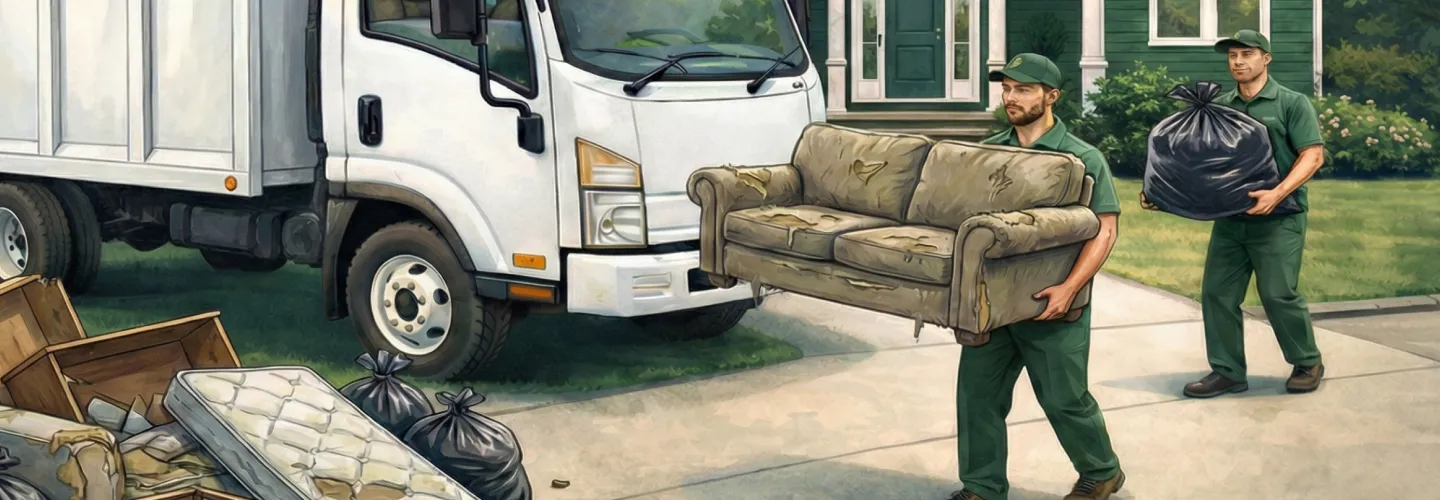
Sugar Hill Yard Waste Removal Services
Choose our Yard Waste Removal for fast, reliable, and eco-friendly service that keeps your property looking its best—so you can enjoy a spotless yard without the stress.
Get a Free QuoteOur Sugar Hill Junk Removal Services
Yard Waste Removal in Sugar Hill, GA – Local Service Guide
Yard waste removal in Sugar Hill, GA is essential for maintaining beautiful properties in neighborhoods like Barrington Estates and Arbor Clos. Homeowners often need removal services after seasonal yard cleanups, storm debris, or landscaping projects. Spring and fall are peak times, especially when replacing old shrubs or after heavy storms. For residential items like furniture or appliances, residents may need removal during home renovations or when upgrading to new models. Local disposal options include donation, recycling, or city-approved waste facilities, but access and weather can affect logistics—especially for large or heavy items. In commercial areas such as Sugar Hill Town Center, businesses require timely, discreet removal to keep operations running smoothly, with higher volumes during renovations or tenant turnovers. Specialty services, like dumpster rentals or estate cleanouts, are often needed for larger projects or unique situations, requiring careful planning and coordination with local guidelines.
Key Considerations for Yard Waste Removal in Sugar Hill
- Timing seasonal cleanups around storms and yard cycles
- Checking for required permits and local disposal rules (Sugar Hill Public Works Department)
- Choosing proper disposal channels: donate, recycle, or landfill
- Ensuring easy access for removal trucks, especially in tree-covered or flood-prone areas
- Estimating volume and scheduling pickups accordingly
- Coordinating for category-specific items like appliances or construction debris
Benefits of Yard Waste Removal in Sugar Hill
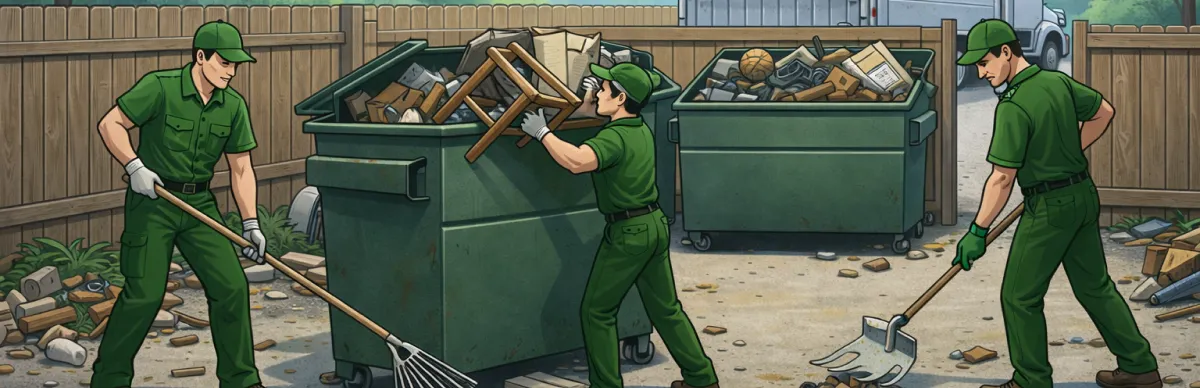
Fast and Reliable Service
Eco-Friendly Disposal
Affordable Pricing Options
Experienced Local Team
Convenient Scheduling
Comprehensive Yard Cleanup
Coordinating Yard Waste Collection with Sugar Hill's Public Works Department
Sugar Hill residents must follow municipal guidelines when disposing of yard waste such as leaves, grass clippings, branches, and brush. The city's Public Works Department oversees waste management services, including the collection and proper handling of organic landscape debris. Residents should be aware of the following requirements:
- Branches and limbs must be cut to lengths no longer than four feet and bundled or stacked neatly at the curb
- Grass clippings and leaves should be placed in biodegradable bags or designated yard waste containers rather than standard trash receptacles
- Yard waste must not be placed in roadways, storm drains, or drainage ditches, as this creates stormwater contamination and potential code violations
- Collection schedules are managed through the city's contracted hauler; residents should confirm pickup days directly with the provider
Mixing yard waste with household garbage or construction debris is prohibited and may result in refused collection or code enforcement action.
Sugar Hill Public Works Department
5039 West Broad Street, Sugar Hill, GA 30518
Phone: (770) 945-6716
Official Website: Sugar Hill Public Works Department
Georgia's Solid Waste Management Act and Yard Debris Disposal Regulations
Georgia state law governs how yard waste and organic debris must be handled, transported, and disposed of. The Georgia Environmental Protection Division (GA EPD) administers solid waste regulations under the Georgia Comprehensive Solid Waste Management Act (O.C.G.A. § 12-8-20 et seq.), which establishes standards for waste diversion and landfill operations statewide. Key regulatory considerations include:
- Yard trimmings are banned from municipal solid waste landfills in Georgia, meaning leaves, grass, brush, and tree limbs cannot be disposed of in standard landfill facilities
- Composting and mulching are the preferred disposal methods under state guidelines; yard waste must be directed to permitted composting facilities or processed on-site
- Burning yard waste is subject to local burn ordinances and Georgia Forestry Commission open burning regulations; residents should verify whether Sugar Hill permits open burning before igniting debris
- Illegal dumping of yard waste on vacant lots, roadsides, or waterways carries fines under both state and municipal codes
The Georgia Tree Council also provides resources on proper tree care and debris management for residential properties.
Sugar Hill Stormwater Compliance and Yard Waste Runoff Prevention
Improper yard waste disposal directly impacts Sugar Hill's stormwater infrastructure and local water quality. The city's Stormwater Management program enforces regulations designed to prevent organic debris from entering storm drains, creeks, and retention ponds. Residents and landscaping contractors must observe the following practices:
- Never blow or rake leaves, grass clippings, or soil into storm drains or curb inlets — this causes blockages and introduces excess nutrients into waterways
- Stockpiled yard waste awaiting collection must be kept at least ten feet from storm drains, ditches, and stream buffers
- Erosion control measures are required when large-scale land clearing or tree removal generates significant volumes of organic debris
- Sediment and debris from stump grinding or grading operations must be contained on the property and not allowed to migrate into public rights-of-way
Violations of stormwater ordinances may result in notices of violation and corrective action requirements issued by the city.
Sugar Hill Stormwater Management
5039 West Broad Street, Sugar Hill, GA 30518
Phone: (770) 945-6716
Official Website: Sugar Hill Stormwater Management
Sugar Hill Code Enforcement Standards for Yard Waste Accumulation and Property Maintenance
Accumulated yard waste on residential or commercial properties may trigger code enforcement action under Sugar Hill's property maintenance ordinances. The city's Code Enforcement division investigates complaints related to overgrown vegetation, debris piles, and improperly stored organic materials. Property owners should understand the following standards:
- Brush piles, fallen trees, and accumulated leaves left on a property for extended periods may constitute a nuisance violation
- Yard waste placed at the curb outside of designated collection windows may result in a warning or citation from code enforcement officers
- Overgrown lots and unmaintained vegetation that encroach on neighboring properties or public sidewalks are subject to abatement orders
- Tree removal debris from storm damage or landscaping projects must be processed and removed promptly; prolonged storage on driveways or front yards is typically restricted
- HOA-governed communities may impose additional restrictions on yard waste storage, container placement, and curbside timing beyond city requirements
Residents who receive a notice of violation should respond within the timeframe specified to avoid escalating penalties.
Sugar Hill Code Enforcement
5039 West Broad Street, Sugar Hill, GA 30518
Phone: (770) 945-6716
Official Website: Sugar Hill Code Enforcement
Sorting, Composting, and Recycling Yard Waste Materials in Sugar Hill
Diverting yard waste from landfills through composting and recycling is both a regulatory requirement in Georgia and an environmental best practice. Sugar Hill residents have several options for responsibly processing organic landscape debris rather than sending it to disposal facilities. Proper sorting and material separation are essential:
- Clean wood debris (branches, limbs, untreated lumber) can be chipped into mulch for reuse in landscaping beds and garden paths
- Leaves and grass clippings are ideal for backyard composting; compost bins should be placed away from property lines and maintained to prevent odor or pest issues
- Stumps, root balls, and large logs may require specialized processing and are typically not accepted through standard curbside yard waste collection
- Contaminated yard waste — material mixed with plastic bags, treated wood, trash, or construction debris — will be rejected at composting facilities and may incur contamination surcharges
- Invasive plant species such as kudzu or English ivy should be bagged separately, as composting may spread viable seeds or root fragments
Gwinnett County and surrounding jurisdictions operate composting and yard waste drop-off facilities; residents should verify accepted materials and hours before transporting loads. The EPA Region 4 Southeast office provides additional guidance on organic waste diversion and composting best practices.
What Neighborhoods Do We Serve Throughout Sugar Hill, GA?
- Sugar Hill Town Center: Properties near the downtown core feature smaller lots with limited curbside staging space for yard waste. Street tree maintenance and seasonal leaf accumulation require timely collection to maintain pedestrian walkway clearance.
- The Meadows at Sugar Hill: This established single-family subdivision contains mature hardwood trees that generate significant leaf and branch debris during fall and storm events. Wide driveways and cul-de-sac layouts allow straightforward access for yard waste collection vehicles.
- Whitehead Farms: Larger residential lots in this community produce higher volumes of brush and lawn clippings. HOA guidelines may dictate specific timeframes for curbside placement and container requirements for organic debris.
- Sugar Mill: Homes in this neighborhood are situated on wooded lots where fallen limbs and pine straw accumulation are common. Sloped terrain and longer driveways may require additional coordination for debris staging and pickup access.
- Apalachee Farms: Newer construction in this area generates both landscaping installation waste and ongoing maintenance debris. Proximity to stream buffers requires careful attention to stormwater compliance when staging yard waste near property edges.
- West Broad Village: Mixed residential density in this area includes townhomes with limited individual yard space. Shared common areas and compact lot configurations necessitate coordinated yard waste collection scheduling among adjacent property owners.